
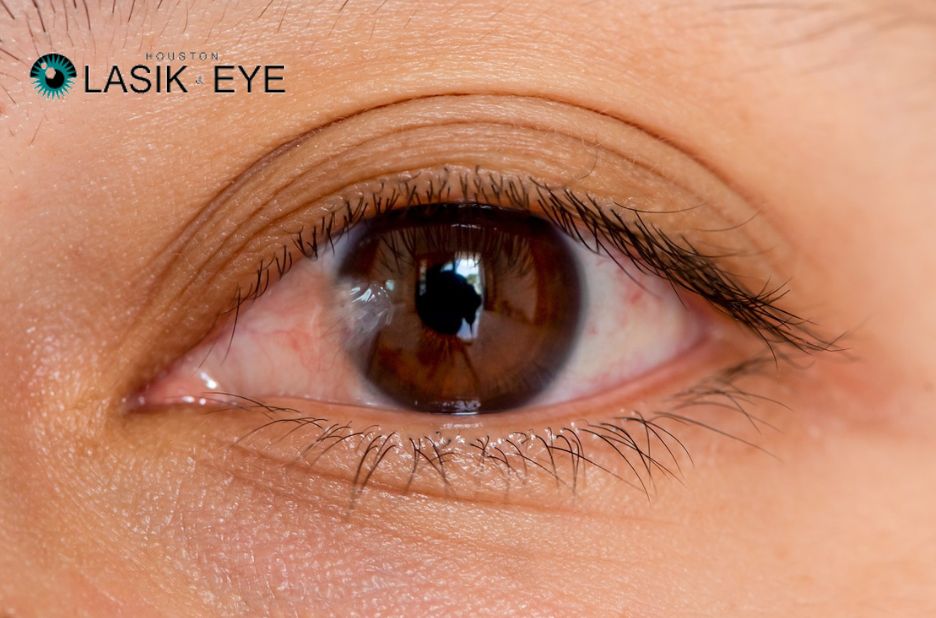
Understanding Pterygium
Pterygium is a common eye condition characterized by a benign growth of the conjunctiva that can extend onto the cornea. Often caused by prolonged exposure to ultraviolet light, wind, and dust, this growth can lead to Surgery for pterygium discomfort, redness, and in some cases, impaired vision. While it is typically noncancerous, pterygium can become problematic if it grows large enough to interfere with the eye’s surface and vision clarity.
Symptoms and Diagnosis
Individuals with pterygium may experience symptoms such as eye irritation, redness, dryness, and a sensation of a foreign body in the eye. As the growth progresses, it can cause blurred vision or astigmatism due Remove pterygium to corneal distortion. An eye care professional can diagnose pterygium through a thorough eye examination, often using a slit lamp to evaluate the size and extent of the growth.
When Treatment is Necessary
In many cases, pterygium remains small and does not require surgical intervention. Treatment usually begins with conservative measures like lubricating eye drops or anti-inflammatory medications to alleviate irritation. However, when the growth threatens vision, causes significant discomfort, or leads to cosmetic concerns, surgery for pterygium becomes a recommended option to remove the lesion and restore eye health.
Overview of Surgical Options
Surgery for pterygium involves excising the abnormal tissue from the eye surface. Various surgical techniques are available, including simple excision, conjunctival autografting, and amniotic membrane transplantation. These methods aim to remove the growth while minimizing the risk of recurrence. The choice of procedure depends on factors such as the size of the pterygium, patient health, and surgeon expertise.
Preparation and Procedure Details
Before surgery, patients undergo a comprehensive eye evaluation to assess their suitability for the procedure. Surgery is typically performed under local anesthesia as an outpatient procedure. The surgeon carefully removes the pterygium and may use grafting techniques to cover the affected area, promoting healing and reducing recurrence rates. The entire process usually lasts less than an hour and is followed by post-operative care instructions.
Recovery and Aftercare
Post-surgery, patients should expect some mild discomfort, redness, or swelling, which usually subsides within a few days. Eye drops, including antibiotics and anti-inflammatory medications, are prescribed to facilitate healing and prevent infection. It is important to avoid rubbing the eyes and to protect them from UV exposure during the recovery period. Follow-up visits are essential to monitor healing and ensure the pterygium does not return.
Risks and Success Rates
Like any surgical procedure, surgery for pterygium carries some risks, including infection, scarring, and recurrence of the growth. However, advances in surgical techniques have significantly improved outcomes, with many patients experiencing successful removal and lasting relief. Discussing potential risks and benefits with an experienced ophthalmologist can help ensure the best possible results.
Conclusion
If you are looking to remove pterygium and regain clear, comfortable vision, the experts at ouston Lasik & Eye provide exceptional care and advanced surgical options. With skilled surgeons and the latest techniques, you can trust Pterygiumhouston.com to deliver comprehensive treatment tailored to your needs. Don’t let pterygium hold you back from experiencing the world fully—seek professional advice and achieve optimal eye health today.