
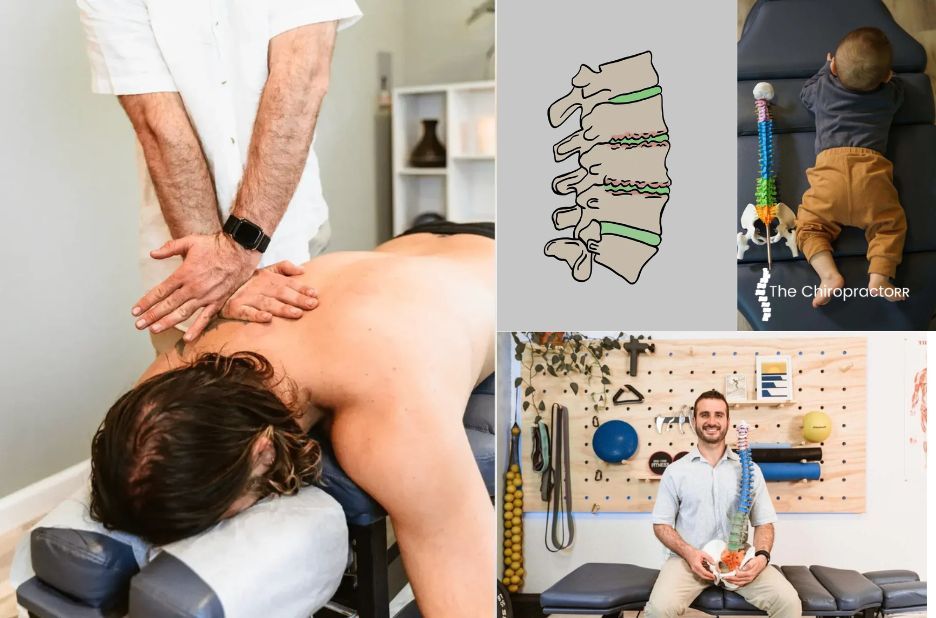
Why people compare adjustment styles after an injury
When you’re recovering from an injury, you want more than temporary relief—you want a care plan that supports healing and safe movement. That’s why many patients compare different approaches, especially around hands-on spinal work and joint mobility techniques. A good comparison looks Chiropractic adjustment for injury recovery at how the clinician evaluates your injury, how they choose techniques, and what they measure during follow-up. When these factors are clear, it becomes easier to choose a service that matches your goals and comfort level.
Comparisons usually center on technique type, intensity, and the patient experience from start to finish. Some services emphasize gentle mobilization and gradual range-of-motion work, while others include faster, more targeted maneuvers when appropriate. The best-fit option depends on your injury pattern, posture changes, muscle guarding, and how your nervous system responds to touch and movement. Instead of focusing only on “which method is strongest,” it’s smarter to ask how each service adapts care to your symptoms and progress.
Hands-on care vs. broader rehab support: what services may include
One major difference between providers is how much of the recovery plan is hands-on versus rehabilitative. Some offices primarily deliver spinal and joint adjustments, then recommend general home stretching or movement. Other clinics build a full injury-recovery workflow that combines manual Chiropractic spinal adjustment therapy with corrective exercise, mobility training, and functional strength work. In a balanced plan, the adjustment helps restore joint mechanics and reduce pain sensitivity, while rehab activities teach your body how to move safely again.
Patients often notice that certain services incorporate assessment tools like posture analysis, range-of-motion testing, and movement screening for painful patterns. Those findings can guide whether the focus is on spinal alignment, rib mechanics, hip mobility, or extremity compensation. For example, a back injury may cause altered breathing mechanics and restricted rib movement, which can perpetuate discomfort during daily tasks. A clinic that coordinates spinal mobility with targeted rehabilitation may create a smoother path toward regaining normal movement and confidence.
Another comparison point is the way clinicians communicate technique choices. Some providers explain what they feel during the exam, what they expect your tissues to do, and how the plan progresses from symptom control to performance. Others keep the process more minimal, with fewer check-ins on how you’re tolerating treatment. During recovery, clarity matters because it helps you understand why a specific approach is selected and what “success” should look like between visits. When you know the purpose of each session, you’re more likely to stay consistent with the plan.
How to evaluate outcomes: stability, pain reduction, and safer return to activity
A meaningful service comparison should include measurable outcomes, not just promises. Many patients seek improved stability first—less shifting, less “catching,” and better control during bending, lifting, or running. Manual care can support joint motion and reduce protective muscle guarding, but it works best when followed by movement training that reinforces good mechanics. Ask whether the clinic checks your ability to perform functional tasks with less pain and better alignment over time.
Pain reduction is important, yet it’s not the only signal that recovery is progressing. Some people feel temporary relief but still struggle with endurance, coordination, or re-injury fear during higher-demand activities. A service that includes progressions—such as load tolerance work, gait or sprint mechanics refinement, and gradual strengthening—tends to address both symptoms and underlying movement control. If you’re an athlete, you may want a plan that considers sport-specific demands like direction changes, landing mechanics, and core stability under stress.
Safety is another key evaluation factor, especially if your injury involves nerve irritation, persistent weakness, or complex posture changes. Reputable providers screen for red flags and tailor care to your tolerance and neurologic status. They should also discuss aftercare expectations like hydration, gentle movement, and when to seek further evaluation if symptoms worsen. The goal is not simply to “crack” a joint, but to support your body’s capacity to heal while minimizing risk and avoiding unnecessary discomfort.
Conclusion
Comparing chiropractic services for recovery works best when you focus on the full pathway from assessment to follow-through. A thoughtful plan pairs hands-on mechanics work with rehabilitation strategies that restore stability, reduce pain sensitivity, and rebuild movement confidence. When manual techniques and exercise guidance align, patients often experience smoother transitions from symptom relief to functional improvement. That integrated approach is especially valuable for active people who want a safer return to training and daily performance.
For many patients, a well-executed can be a turning point when it’s matched to their specific injury mechanics and comfort level. At The ChiropractOrr, the emphasis is on accelerating healing through targeted care that supports joint stability, pain reduction, and faster rehabilitation progress. If you’re comparing providers, look for clinicians who explain their reasoning, monitor your response, and adjust the plan as your mobility and strength improve. With the right service match, chiropractic care can complement your recovery and help you move with greater control and less fear.