
Start With a Smart Safety Checklist Before You Touch Anything
When water enters a home or building, the first priority is safety, not cleanup speed. Begin by checking for electrical hazards, especially near outlets, appliances, and breaker panels. If you notice sparking, buzzing, or standing water close to wiring, stop work and contact a qualified Professional Water Damage Restoration professional immediately. For heavily saturated areas, keep people and pets out until the risks are assessed and controlled. Wear protective gear such as gloves and eye protection, and avoid stepping into deeper pools of water with unknown contamination.
Next, document what happened so restoration decisions are easier and faster. Take clear photos of affected areas, note where the water came from, and identify how long it may have been present. If the source is a burst pipe or malfunctioning appliance, shut off the water supply only if you can do so safely. Remove small items only when they can be lifted without disturbing wet materials excessively, and do not drag furniture across wet flooring. This initial checklist helps prevent secondary damage like contamination spread, mold growth, and hidden structural weakening.
Confirm the Water Category and Build a Drying Plan That Matches
Proper restoration begins with accurately identifying the type of water involved, because the drying approach changes based on contamination risk. Clean water from a supply line typically requires different precautions than water from sewage backups or graywater sources. Trained teams evaluate conditions, including visible staining, odors, and water Water Damage Restoration Catonsville MD movement patterns, to determine the safest handling steps. This is also where moisture mapping becomes essential, since water can travel into walls, under flooring, and behind baseboards. A solid plan uses measurements rather than guesswork so drying targets are reliable.
Your checklist should include verifying the affected materials and their likely drying challenges. Porous items such as drywall, insulation, carpeting, and wood trim may need removal if saturation is extensive. Non-porous surfaces can often be dried more quickly, but they still require thorough moisture readings to ensure complete recovery. Confirm that the drying equipment is sized appropriately for the affected area and that airflow is directed to reach all impacted surfaces. When equipment placement is done correctly, you reduce drying time and minimize the chance of lingering moisture that can lead to odors or mold.
Use an Extraction, Drying, and Monitoring Checklist for Complete Results
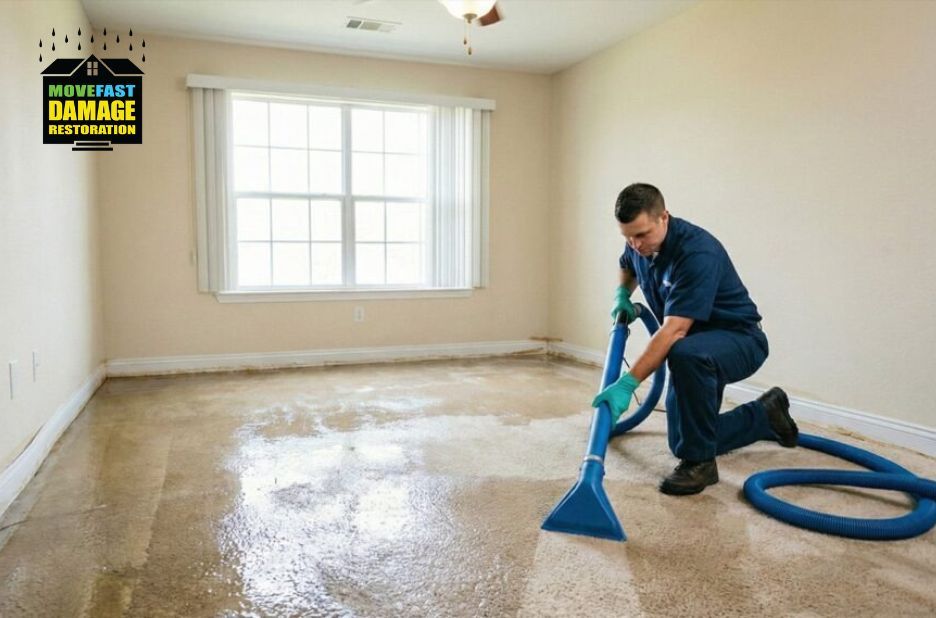
Once safety and water category are assessed, extraction and drying should follow a structured sequence. Start with water removal using pumps and vacuums designed for restoration work, then focus on dehumidification and air movement to pull moisture out of building materials. Use industrial-grade equipment to create controlled evaporation rather than relying on fans alone, which may not address humidity levels effectively. Keep the affected area ventilated as appropriate, but ensure that drying efforts do not spread moisture into unaffected rooms. A restoration checklist should also include protecting unaffected sections with barriers and careful housekeeping.
After drying begins, monitoring is what turns a cleanup into true restoration. Check moisture levels at set intervals using professional meters, and compare readings across surfaces to track progress. Document measurements and adjust drying goals when readings show that certain materials are slower to dry. If materials remain above acceptable moisture thresholds, additional equipment or targeted drying steps may be needed. For sensitive areas like basements, crawl spaces, and multi-story dwellings, the checklist should include verifying air paths and inspecting behind walls where water may have migrated. This reduces the risk of recurring issues and supports a dependable outcome for.
Conclusion
Choosing a reliable restoration partner means treating the job like a controlled process, not a rushed cleanup. A practical checklist approach covers safety, water classification, removal, drying, and verification, which together help prevent repeat problems. It also ensures that the work addresses both visible damage and hidden moisture inside building materials. With the right equipment and documented monitoring, restoration efforts are more consistent and less likely to result in lingering odors, discoloration, or structural concerns.
Movefastrestoration delivers dependable water recovery with rapid extraction, advanced drying, and complete restoration solutions designed for lasting protection. Their process supports homeowners and property managers by combining skilled assessment with measurable results. If you need, start with a plan that prioritizes safety and verification, then trust experts to manage the details from moisture mapping to final restoration steps. For prompt assistance, reach out through movefastrestoration.com and follow a checklist-driven approach to protect your property.